If you’ve been involved in an accident, handling your claim can feel overwhelming. You might wonder what documents you really need, how to organize them, and how to make sure your claim gets processed smoothly.
The right paperwork can make all the difference between a quick settlement and endless delays. This Accident Claim Documentation Guide is designed to help you gather and prepare everything you need, step by step. By following these simple tips, you’ll boost your chances of a successful claim and avoid common mistakes that trip people up.
Keep reading to take control of your accident claim and protect what’s rightfully yours.

Key Documents For Accident Claims
Medical records and certificates show the injuries and treatments from the accident. These include hospital reports, doctor notes, and test results. They prove the impact and help calculate compensation.
Police reports and FIR copies provide official details about the accident. These documents confirm the event and record statements from involved parties and witnesses. They are vital for legal and insurance processes.
Proof of identity and insurance verifies who you are and your coverage. This includes a driver’s license, ID card, and insurance policy documents. These help avoid fraud and speed up claim approval.
Accident and witness statements describe what happened from different views. Collect signed statements from those who saw the accident. These add credibility and support your claim’s facts.
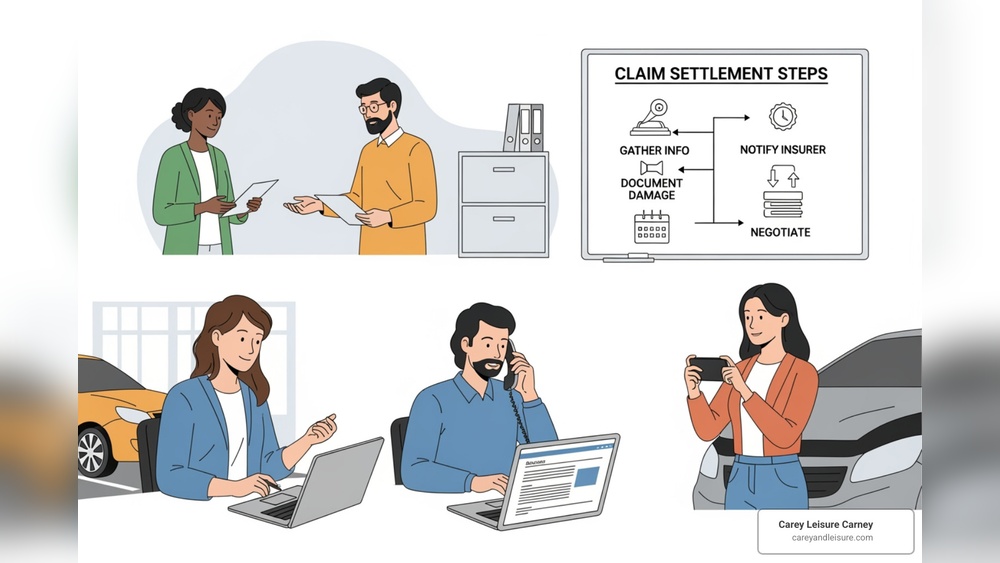
Steps To Collect And Organize Documents
Delays in filing claims can cause serious problems. Insurance companies may reject claims if not filed on time. Always submit your claim as soon as possible. Timely filing helps avoid unnecessary delays and confusion.
Incomplete or poor documentation weakens your claim. Missing forms or unclear details slow down processing. Keep all documents organized and accurate. Complete records make your claim stronger and faster to handle.
Failure to notify authorities can harm your claim chances. Police reports or official records often prove what happened. Always inform the right authorities quickly. This step provides important evidence for your case.
Admitting fault prematurely can affect your claim negatively. Let insurance companies decide who is responsible. Avoid saying you caused the accident. Stay calm and only share facts. Protect your rights by not admitting blame too soon.
Common Mistakes In Claim Documentation
Submit your claim quickly to avoid delays or denial. Mark the deadline on your calendar. Follow up often to check the claim status. Stay polite but firm when contacting insurers.
Use clear and accurate documents. Double-check all forms and reports for mistakes. Include police reports, medical records, and proof of income. Mistakes can cause claims to be rejected.
Always cooperate fully with insurance companies and authorities. Answer questions honestly and provide all requested information. This helps speed up the process and builds trust.
Keep detailed records of damaged property. Take photos from different angles right after the accident. Save receipts for repairs or replacements. This evidence supports your claim and shows the true loss.
Frequently Asked Questions
What Documents Are Required For Personal Accident Claim?
Required documents for a personal accident claim include medical reports, police FIR or accident report, photo ID of the insured, and treatment bills. Submit post-mortem reports if applicable. Ensure all documents are attested and detailed for smooth claim processing.
What’s The Biggest Mistake People Often Make When Dealing With An Insurance Claim?
The biggest mistake is delaying the claim or providing poor documentation. Act quickly and keep accurate records to avoid denial.
What Are The Three Supporting Documents You Need For An Insurance Claim?
The three key documents for an insurance claim are medical records, accident reports, and proof of lost income. These support your injury and damages clearly.
Is Appendicitis Covered Under Accident Insurance?
Appendicitis is generally not covered under accident insurance. Coverage typically applies only to injuries caused by accidents, not illnesses.
Conclusion
Gather all necessary documents carefully for your accident claim. Keep medical records, police reports, and proof of expenses ready. Submit your claim promptly to avoid delays or denials. Clear, organized paperwork helps your case move smoothly. Stay honest and cooperate fully with your insurer.
Proper documentation increases your chances of fair compensation. Take control by being prepared and informed throughout the process. Your effort matters in getting the support you deserve.
Read More
- Civil Claims Attorney Consultation: Expert Advice for Your Case
- Injury Claim Negotiation Tips: Proven Strategies to Maximize Compensation
- Accident Justice Legal Support: Expert Help for Your Claim Success
- Victim Compensation Legal Guide: Essential Steps to Maximize Benefits
- Accident Compensation Calculator: Maximize Your Injury Claim Today
- Insurance Injustice Legal Action: Fight Back and Win Compensation
- Insurance Settlement Demand Package: Maximize Your Claim Success
- Loss of Earnings Compensation: Maximize Your Financial Recovery Today
- Claim Denial Lawsuit Options: Top Strategies to Win Your Case
- Claim Dispute Attorney near Me: Expert Help for Quick Wins