If you’ve been injured or suffered damages in an accident, you want to get the compensation you deserve as quickly and fairly as possible. That’s where your insurance settlement demand package comes in.
This package is your chance to clearly show the insurance company the full story—your injuries, expenses, and how much you need to move forward. But putting together a demand package isn’t just about listing facts; it’s about building a strong case that makes it hard for the insurer to say no.
Keep reading to discover what an insurance settlement demand package is, why it matters, and how you can create one that maximizes your chances of a fair settlement. Your financial future could depend on it.
Purpose Of A Demand Package
A Demand Package plays a crucial role in the settlement process. It provides a clear summary of the injuries, damages, and facts related to a personal injury claim. This package helps insurance companies understand the claimant’s position and the compensation requested.
The demand package often includes medical records, bills, and a detailed letter explaining the accident. It shows the extent of harm suffered and the legal basis for the claim. This document is essential for starting settlement talks without going to court.
In personal injury claims, the demand package can speed up negotiations and lead to a fair settlement. It gives the insurance company a chance to review all facts before making an offer. Clear and complete information in the package increases the chance of success.
Key Components
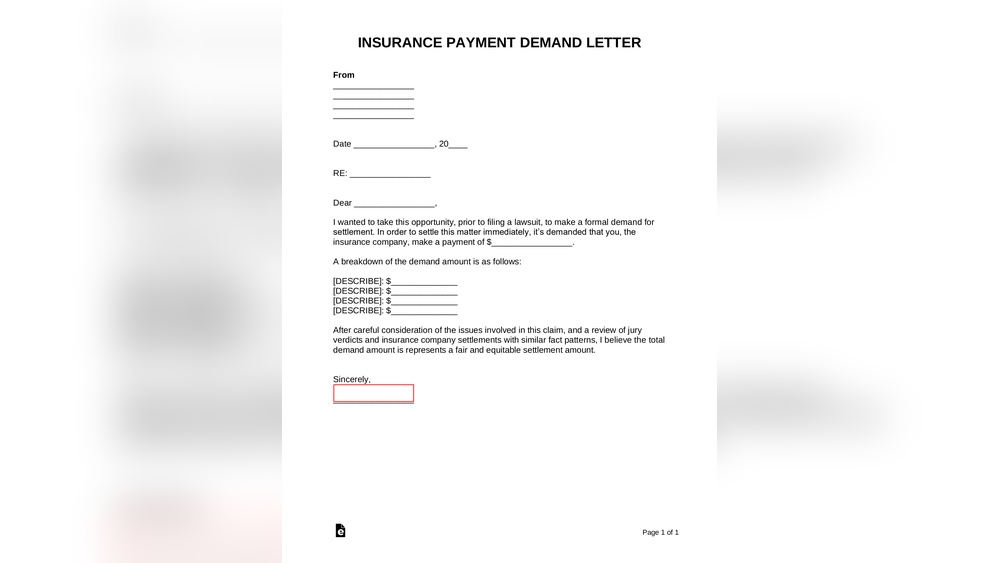
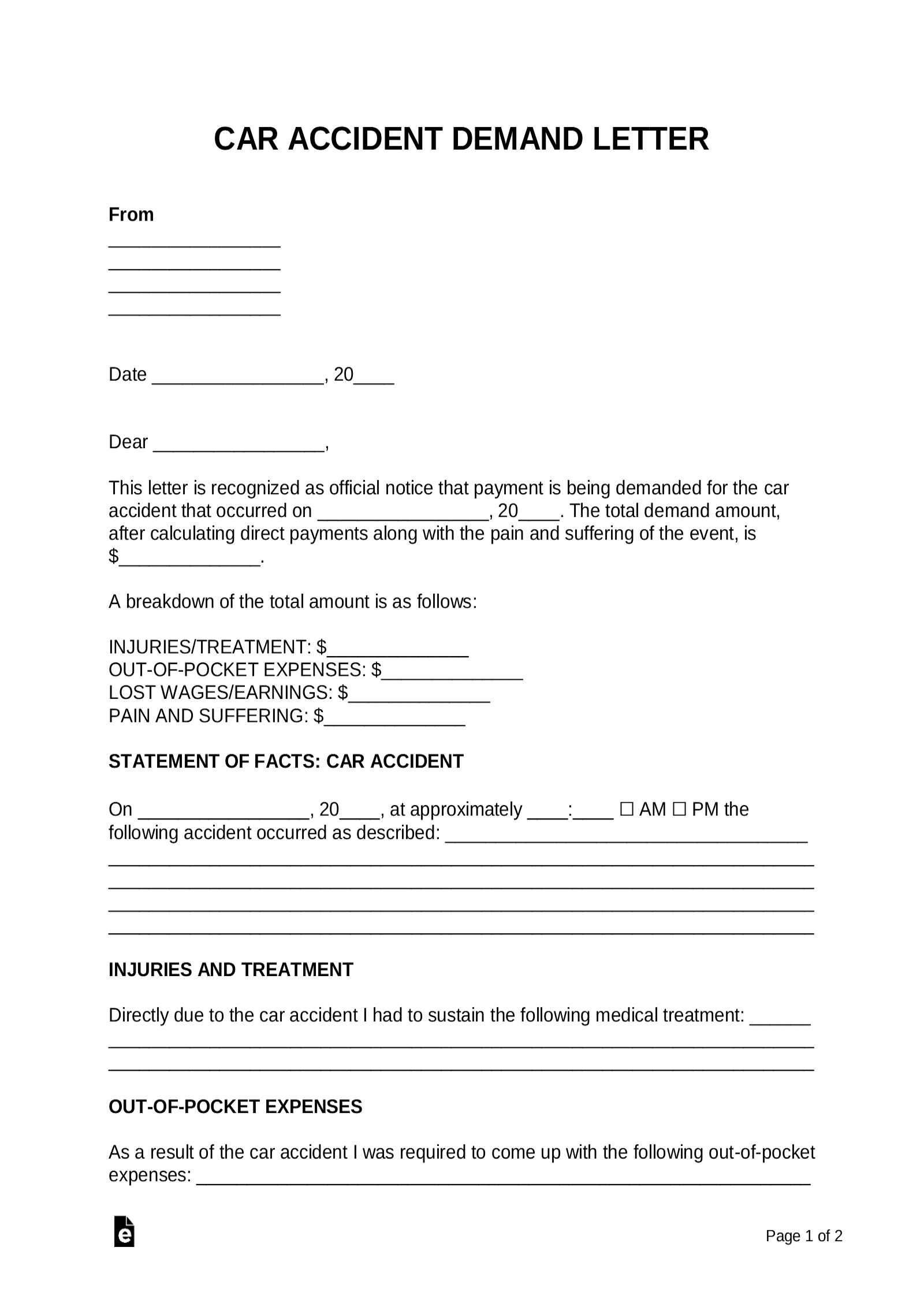
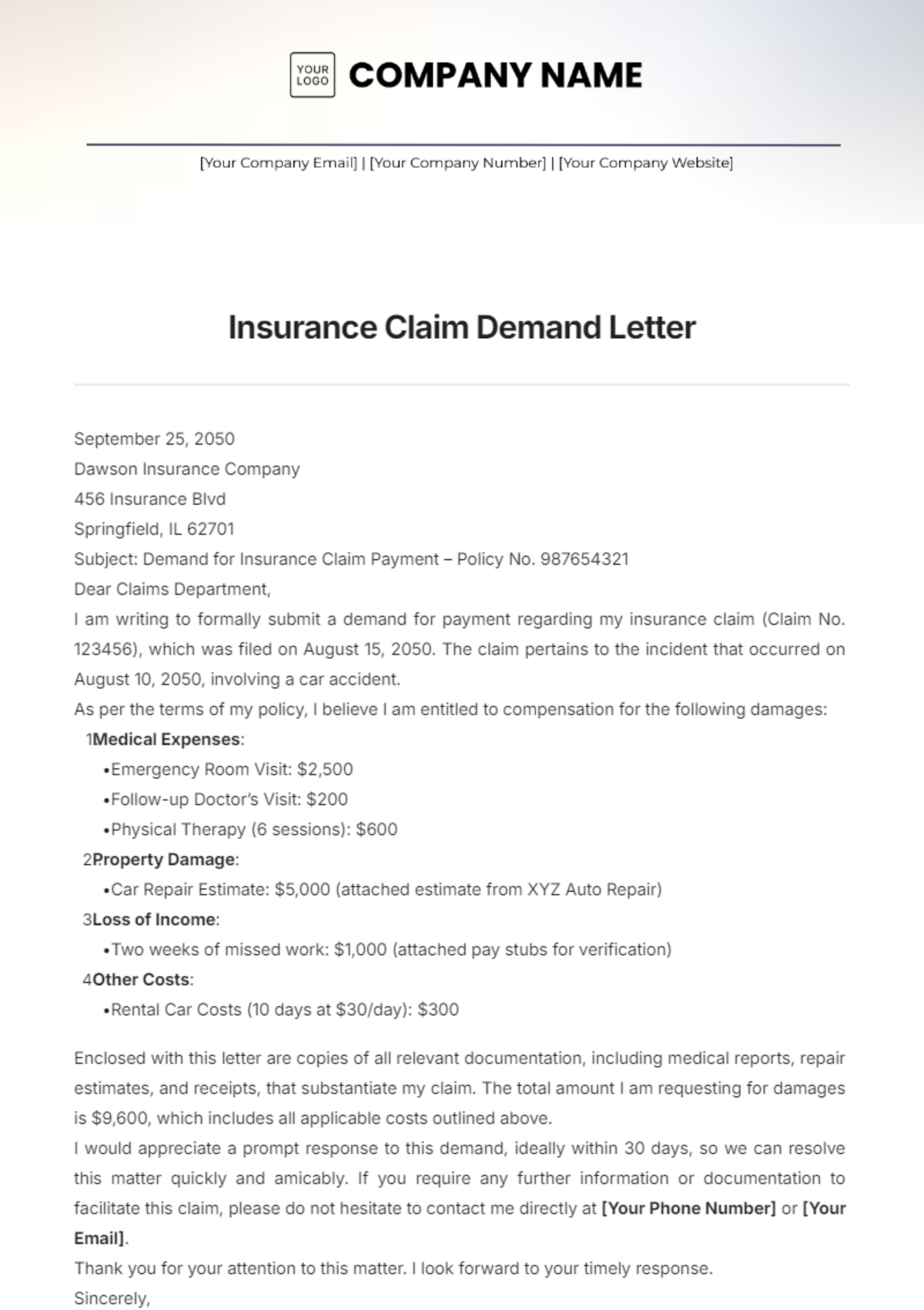
Demand Letter Essentials include a clear statement of your claim and the amount you seek. It must explain the accident details, your injuries, and why the other party is responsible. A well-written demand letter sets the tone for settlement talks and shows the insurer the seriousness of your claim.
Supporting Documents strengthen your demand package. These include medical records, bills, repair estimates, and police reports. Each document proves the facts and damages you mention. Organizing these papers clearly helps the insurer understand your case quickly.
Evidence Presentation is key to persuading the insurance company. Photos of injuries or damages, witness statements, and expert opinions add weight to your claim. Presenting this evidence in a neat, easy-to-read format makes your demand package more effective.
How To Prepare Your Package
Start by collecting all medical records related to your injury. These include hospital bills, doctor’s notes, test results, and therapy documents. Make sure the records clearly show your diagnosis and treatment. Accurate medical records prove the extent of your injuries and support your claim.
Next, document all damages. This means listing expenses like medical costs, lost wages, property damage, and any other financial losses. Use receipts, bills, and pay stubs as proof. Also, note how the injury affected your daily life and work. This helps show the full impact of the accident.
Finally, write a clear demand letter. State the facts of your case simply and honestly. Explain your injuries and damages. Specify the amount you seek for settlement. Keep the tone professional and polite. A clear letter makes it easier for the insurance company to understand and respond.
Strategies To Maximize Success
Strong liability proof convinces insurers that the other party caused the accident. Clear photos, witness statements, and police reports build solid evidence. This proof boosts the chance of a fair settlement.
Accurate claim valuation reflects true losses. Include medical bills, repair costs, and lost wages. Keep all receipts and records. A detailed list shows the full impact of the injury or damage.
Realistic settlement demands help negotiations move smoothly. Demands should match the evidence and damages. Too high or too low offers can slow the process. Research similar cases to set fair amounts.
Common Mistakes To Avoid
Incomplete documentation can delay or weaken your settlement request. Missing medical records, bills, or proof of lost wages often cause problems. Keep all paperwork organized and complete before sending.
Overestimating settlement amounts might scare off the insurance company. Be realistic about your damages and losses. Use facts and clear evidence to support your demand.
Ignoring insurance adjuster feedback hurts your chance of success. Respond to questions and requests quickly. Showing cooperation helps build trust and can speed up the process.
Timeline After Submission
After submitting an insurance settlement demand package, the insurer usually takes 30 to 45 days to respond. They review all documents carefully. Expect a written offer or a request for more information.
If the insurer asks for more details, respond quickly to avoid delays. Keep all communication clear and organized.
Follow-up calls or emails may be needed if no response arrives on time. Stay polite but firm in your inquiries.
Delays can happen due to case complexity or insurer workload. Patience helps, but tracking deadlines is important.
| Step | What to Expect | Your Action |
|---|---|---|
| Initial Review | Insurer checks documents and facts | Wait 30-45 days for response |
| Request for More Info | Insurer may ask questions or proofs | Reply quickly and clearly |
| Follow-Up | No response or slow reply | Contact insurer politely to check status |
| Handling Delays | Long review times or extra checks | Stay patient and keep track of dates |
When To Seek Legal Help
Hiring an attorney can make a big difference in your insurance claim. They understand the legal language and know how to handle tricky paperwork. This helps avoid mistakes that might lower your settlement. Attorneys also have experience in negotiating with insurance companies, which can lead to better offers.
Insurance claims can be complex and confusing. An attorney breaks down the process into simple steps. They gather all needed documents and evidence to build a strong case. This includes medical records, bills, and proof of lost income.
With an attorney, you get someone who fights for your rights. They ensure insurance companies treat you fairly. This support often leads to quicker and higher settlements.
Tools And Resources
Templates and samples help create clear and complete demand packages. They show how to organize facts, evidence, and damages. Using a template saves time and reduces errors. Samples guide what details to include and how to explain them.
Checklists ensure every important item is included. They cover documents like medical reports, bills, and photos. Also, checklists remind you to add a demand letter and proof of lost wages. Following a checklist makes the package strong and easy to understand.
| Item | Purpose |
|---|---|
| Demand Letter | Summarizes claim and states settlement amount |
| Medical Records | Proves injuries and treatment |
| Billing Statements | Shows costs related to injury |
| Photos | Visual proof of damages or injuries |
| Proof of Lost Wages | Documents income lost due to injury |
Frequently Asked Questions
What Is A Demand Package Settlement?
A demand package settlement is a set of documents presented to an insurer detailing injuries, damages, and the compensation requested.
How Much Will I Get From A $50,000 Settlement?
The amount you receive from a $50,000 settlement depends on legal fees, medical bills, and taxes. Typically, expect 60-80% after deductions.
How Successful Are Demand Letters?
Demand letters often achieve settlements without lawsuits by clearly stating claims and evidence. Success depends on case strength and presentation quality. Well-crafted letters increase chances of favorable insurance settlements and faster resolutions.
How Long Does It Take For A Settlement After A Demand Letter Is Sent?
A settlement after a demand letter typically takes 30 to 60 days. Response times vary by insurer and case complexity.
Conclusion
A well-prepared insurance settlement demand package can help you get fair compensation. It clearly shows the details of your claim and the damages suffered. Presenting strong evidence makes your case easier to understand. Insurance companies take these packages seriously when deciding on settlements.
Taking time to organize your documents helps avoid delays. Remember, clear and simple information works best for your claim. Keep your demand package honest and accurate to build trust. This step can bring you closer to resolving your case successfully.
Read More
- Civil Claims Attorney Consultation: Expert Advice for Your Case
- Injury Claim Negotiation Tips: Proven Strategies to Maximize Compensation
- Accident Justice Legal Support: Expert Help for Your Claim Success
- Victim Compensation Legal Guide: Essential Steps to Maximize Benefits
- Accident Compensation Calculator: Maximize Your Injury Claim Today
- Accident Claim Documentation Guide: Essential Steps for Success
- Insurance Injustice Legal Action: Fight Back and Win Compensation
- Loss of Earnings Compensation: Maximize Your Financial Recovery Today
- Claim Denial Lawsuit Options: Top Strategies to Win Your Case
- Claim Dispute Attorney near Me: Expert Help for Quick Wins