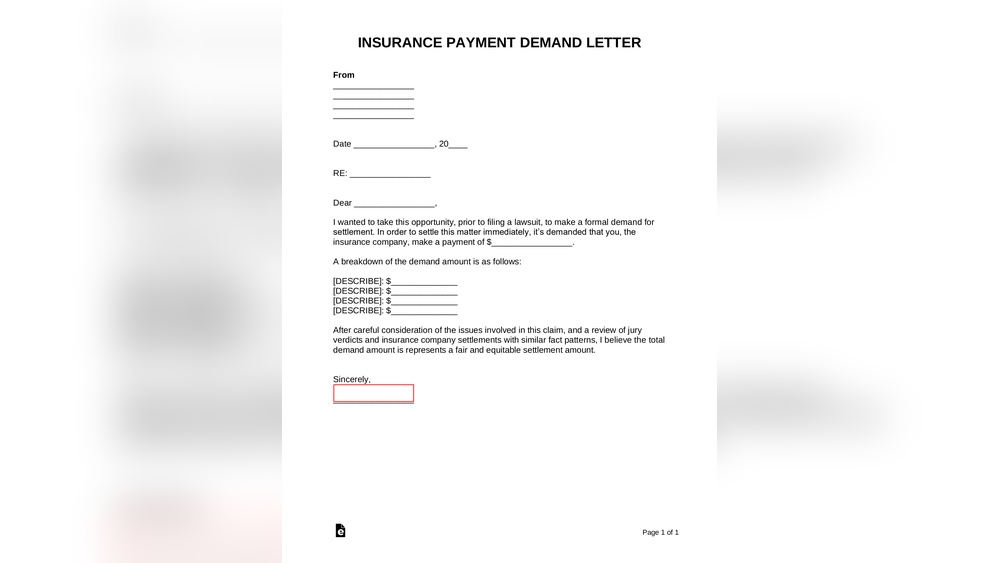

Have you ever felt powerless when your insurance claim was denied or unfairly delayed? You’re not alone.
Many people face what’s known as insurance injustice—when insurance companies ignore their responsibilities or treat claims unfairly. But here’s the truth: you don’t have to accept this treatment quietly. You have the right to stand up and take legal action against an insurance company that acts in bad faith.
You’ll discover exactly when and how you can fight back, protect your rights, and get the compensation you deserve. Don’t let insurance companies take advantage of you—read on to learn how to turn the tables.

Insurance Bad Faith
Bad faith occurs when an insurance company acts unfairly toward a policyholder. This includes denying claims without a good reason or delaying payments unnecessarily. Such actions break the duty of good faith the company owes to its customers.
Common bad faith practices include:
- Refusing to pay valid claims
- Delaying claim processing without explanation
- Misrepresenting policy terms
- Failing to investigate claims properly
- Offering low settlements unfairly
Legal consequences for bad faith can be severe. Courts may require the insurer to pay the full claim amount plus damages. Policyholders can also seek compensation for emotional distress and legal fees. Taking action helps hold insurance companies accountable.
Unfair Claims Practices
Unfair claims practices harm policyholders by delaying or denying rightful payments. Delayed payments cause financial stress, making it hard to cover urgent costs. Some insurers deny claims without clear reasons, leaving customers confused and helpless.
Misrepresentation happens when insurers give wrong or incomplete policy details. This can mislead policyholders about their coverage and rights. Changing policy terms without informing the insured is another common issue, often leading to denied claims.
| Examples | Description |
|---|---|
| Delayed Payments | Payments take longer than promised, causing hardship. |
| Claim Denials | Claims rejected without valid reasons or proof. |
| Misrepresentation | Wrong or missing information about policy coverage. |
| Policy Alterations | Changes made to policy terms without consent. |
When To Take Legal Action
Signs of insurance injustice include unfair claim denial, long delays, and improper payout amounts. These acts may show bad faith from the insurer. Breaches of policy and law happen when the company ignores contract terms or violates insurance rules. This can mean breaking promises or hiding important facts.
Understanding timing and deadlines for lawsuits is critical. Most states have strict time limits, called statutes of limitations. Missing these deadlines can stop you from suing. Act quickly after noticing unfair treatment. Keep all documents and communications safe. This helps build your case if you take legal steps.
Steps To Sue Your Insurer
Gathering Evidence is the first step to sue your insurer. Collect all documents like your policy, claim forms, and any communication with the insurance company. Take photos or videos if they support your claim. Keep records of phone calls, including dates and what was said. This evidence helps prove your case clearly.
Filing a Complaint follows after gathering proof. Write a clear complaint explaining what went wrong. Submit it to your insurer’s complaint department or your state’s insurance regulator. Make sure to keep a copy of your complaint and any responses you receive.
Negotiation and Settlement Options come next. Talk with your insurer about resolving the issue without going to court. Settlement can save time and money. Be ready to discuss your evidence and what you want from the insurer. If negotiation fails, legal action might be necessary.
Winning Compensation
Types of damages recoverable include compensatory damages for actual losses. These cover medical bills, lost wages, and property damage. Punitive damages may also apply if the insurer acted with bad faith or fraud. Emotional distress damages can be claimed if the injustice caused mental suffering. Each case differs, so understanding what applies is key.
Proving your case needs solid evidence. Documentation such as claim forms, correspondence, and medical records helps. Witness statements and expert opinions strengthen your claim. Showing the insurer’s unreasonable behavior is critical. Clear timelines and detailed records support your argument.
The role of legal representation is vital. Lawyers know insurance laws and tactics insurers use. They gather evidence, file paperwork, and negotiate on your behalf. Expert attorneys increase your chances of winning fair compensation. Legal help can reduce stress and improve outcomes significantly.
Preventing Insurance Injustice
Know your policy rights to avoid insurance injustice. Read your policy carefully and understand all terms. Your policy explains what is covered and what is not. Check for any exclusions or limits that may affect your claim. Knowing these details helps you spot unfair treatment early.
Documenting claims properly is very important. Keep all records, such as receipts, photos, and correspondence. Write down dates and details of conversations with the insurance company. Organized proof supports your case and speeds up claim processing.
Working with trusted advisors can make a big difference. Seek help from insurance experts or legal advisors if unsure. They can explain complex terms and guide you through disputes. Trusted help increases your chance of fair treatment and successful claims.

Frequently Asked Questions
Can You Take Legal Action Against An Insurance Company?
Yes, you can take legal action against an insurance company for unfair claim handling or bad faith practices. Consult an attorney to evaluate your case.
What Is The 80% Rule For Insurance?
The 80% rule requires homeowners to insure property for at least 80% of its replacement cost. This ensures full claim payment after damage. If insured below 80%, claims may be reduced proportionally. The rule helps prevent underinsurance and supports fair claim settlements.
What Is Considered A Wrongful Act In Insurance?
A wrongful act in insurance includes errors, omissions, or failures in performing professional services. It involves unfair claim handling or bad faith by the insurer. These acts breach the policyholder’s rights and may lead to legal action against the insurance company.
What Is An Example Of An Unfair Claim?
An example of an unfair claim includes an insurer delaying payment, misrepresenting policy details, or denying valid claims without reason.
Conclusion
Taking legal action against insurance injustice protects your rights. Unfair claim denials and delays harm many policyholders. Know your options and gather clear evidence. Speak with a trusted attorney experienced in insurance disputes. Acting quickly can improve your chances of success.
Justice ensures fair treatment from your insurance company. Don’t let unfair practices go unanswered or ignored. Stand up for what you deserve with confidence. Legal help guides you through complicated insurance battles. Your voice matters in fighting insurance injustice today.
Read More
- Civil Claims Attorney Consultation: Expert Advice for Your Case
- Injury Claim Negotiation Tips: Proven Strategies to Maximize Compensation
- Accident Justice Legal Support: Expert Help for Your Claim Success
- Victim Compensation Legal Guide: Essential Steps to Maximize Benefits
- Accident Compensation Calculator: Maximize Your Injury Claim Today
- Accident Claim Documentation Guide: Essential Steps for Success
- Insurance Settlement Demand Package: Maximize Your Claim Success
- Loss of Earnings Compensation: Maximize Your Financial Recovery Today
- Claim Denial Lawsuit Options: Top Strategies to Win Your Case
- Claim Dispute Attorney near Me: Expert Help for Quick Wins