
Are you struggling to understand how compensation works in the justice system? Whether you’ve been affected by a legal issue or are simply curious about your rights, getting clear answers can feel overwhelming.
That’s where a Compensation Justice Consultation comes in. This consultation is designed to help you navigate the complex world of legal compensation, so you know exactly what you’re entitled to and how to claim it. Keep reading to discover how this consultation can protect your interests, simplify the process, and put you on the path to fair compensation.
Your peace of mind starts here.

Compensation Justice Basics
Types of compensation include monetary payments, medical benefits, and rehabilitation support. Compensation may cover lost wages, pain, and suffering. Some claims also provide property damage recovery.
Legal grounds for claims depend on proving fault or liability. Common grounds include negligence, breach of contract, and violation of rights. Proper evidence and documentation are essential.
| Key Stakeholders | Role |
|---|---|
| Claimants | Individuals seeking compensation |
| Legal Representatives | Help prepare and submit claims |
| Insurance Companies | Evaluate and pay claims |
| Court System | Resolve disputes and enforce awards |
Consultation Process
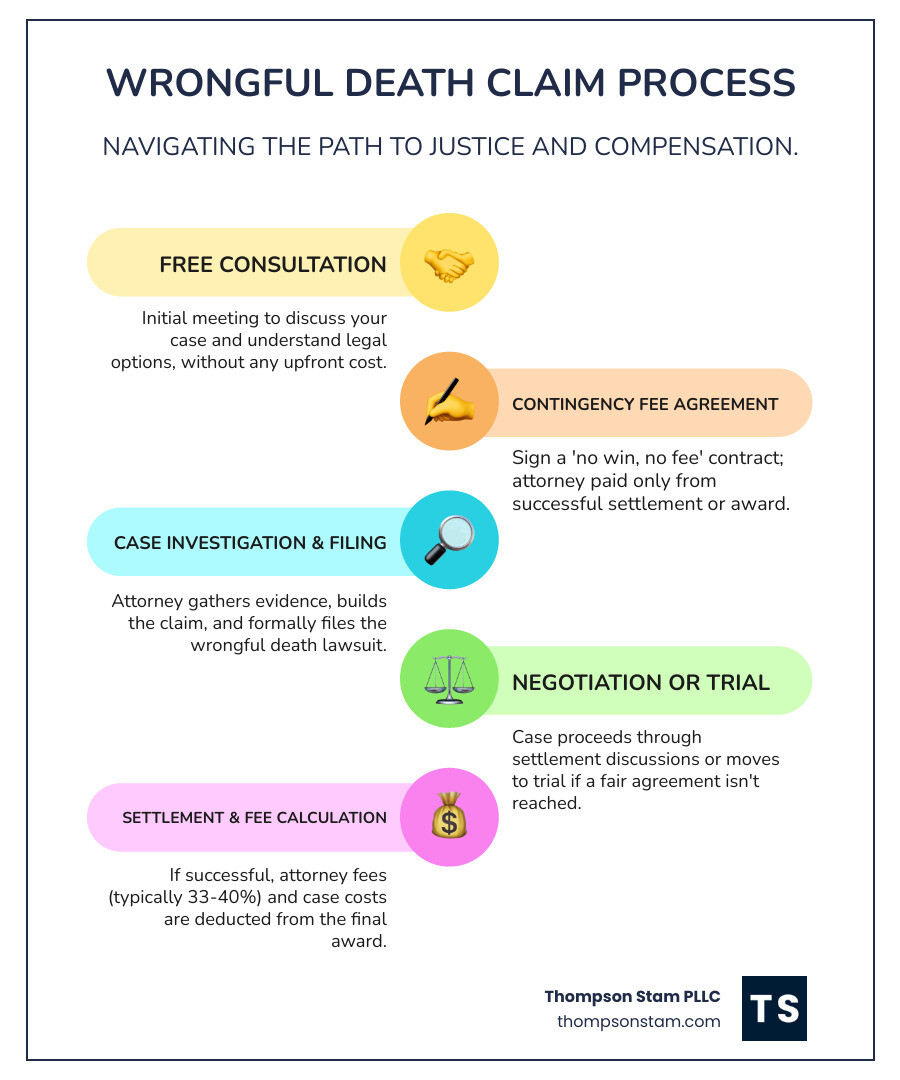
The consultation process starts with an initial case evaluation. This step helps to understand the details and merits of the claim clearly. Gathering all relevant documents is essential to support the case. These may include medical reports, police records, and proof of losses.
Documentation requirements ensure the case is strong. Organize all papers carefully and keep copies. Missing documents can delay the process or weaken the claim.
The role of legal advisors is to guide clients through the process. They explain legal terms, help collect evidence, and represent clients if needed. Their advice increases the chances of a fair compensation result.
Fair Settlement Strategies
Negotiation techniques involve clear communication and patience. Listen carefully to understand the other side’s needs. Offer reasonable terms and stay calm during talks. Use facts and documents to support your points. Avoid rushing; take time to review every offer.
Assessing settlement offers requires careful review. Check if the amount covers all damages and losses. Look for any hidden conditions or fees. Compare the offer to possible court awards. Consult a trusted advisor if unsure about terms.
Avoiding common pitfalls helps protect your interests. Do not accept the first offer without thinking. Avoid signing anything without reading it fully. Watch for pressure tactics or misleading information. Always keep copies of all documents for your records.
Judicial Compensation Framework
The Compensation Clause defines how damages are paid in legal cases. It ensures fair financial redress for losses suffered by individuals. The clause guides judges on awarding money to victims or plaintiffs.
Judicial Compensation Commissions review pay scales for judges and court staff. They help maintain fairness and transparency in judicial salaries. These commissions meet regularly to propose adjustments based on economic changes.
| Aspect | State Guidelines | Federal Guidelines |
|---|---|---|
| Scope | Focus on state-level courts and judges | Apply to federal courts and judges |
| Salary Review | Reviewed by state judicial compensation commissions | Reviewed by the Judicial Conference of the United States |
| Compensation Adjustments | Based on state budget and cost of living | Based on federal budget and national economic factors |
Victim Compensation Programs
Crime Victims’ Compensation programs provide financial help to people harmed by crimes. These programs cover costs that victims may face. They often include expenses for medical care, counseling, lost wages, and funeral costs. The goal is to ease the burden on victims and their families after a traumatic event.
Medical and Counseling Coverage helps pay for doctor visits, hospital stays, and mental health services. Many victims need counseling to recover emotionally. These programs ensure victims get the support they need without worrying about bills.
Filing Claims and Deadlines require victims to submit applications within set time limits. Missing a deadline can mean losing the chance to get compensation. Claim forms usually ask for details about the crime, injuries, and expenses. Proof like police reports and medical bills helps speed up the process.
Civil Rights And Compensation
Filing civil rights lawsuits requires careful preparation. Claimants must prove their rights were violated by someone acting under law. The process often starts with gathering evidence and filing a formal complaint. Lawsuits can address discrimination, police misconduct, or wrongful denial of services. Legal deadlines, called statutes of limitations, are important to meet. Courts review facts and decide if compensation is due.
Potential compensation types include monetary damages for pain, suffering, lost wages, and medical expenses. Sometimes, courts order injunctive relief to change unfair policies or practices. Punitive damages may be awarded to punish the wrongdoer. Each case varies depending on the harm and laws involved.
Expert legal support is vital. Experienced lawyers understand complex civil rights laws and court procedures. They help gather evidence, file paperwork, and represent clients in court. Legal aid organizations may offer free or low-cost services. Professional advice increases chances of fair compensation and justice.
Maximizing Settlement Outcomes
Clear communication helps both sides understand each other better. Use simple words and stay calm. Listen carefully to the other person’s concerns. This builds trust and can lead to a fair settlement.
Evidence should be chosen carefully. Only share facts that support your claim. Organize documents like photos, bills, and reports clearly. Avoid overwhelming the other side with too much information. Presenting strong evidence makes your case more believable.
| When to Seek Mediation | Benefits |
|---|---|
| Early in dispute | Can save time and money |
| When communication stalls | Helps break deadlock |
| Before court action | Avoids costly litigation |
Local Focus: Austin, Texas
Austin, Texas follows specific rules for compensation claims. The state has laws that protect victims and set clear guidelines for payouts. These laws focus on fairness and timely help.
Consultation services in Austin include legal advice, claim assistance, and case reviews. Experts help people understand their rights and guide them through the process. Support is available for crime victims, injury claims, and civil rights cases.
| Resource | Description | Website |
|---|---|---|
| Judicial Compensation Commission | Oversees pay for Texas judges and legal staff | txcourts.gov/jcc |
| Texas Crime Victims’ Compensation Program | Provides financial help to crime victims and families | texasattorneygeneral.gov/crime-victims |
| Department of Justice Compensation Programs | Offers support for federal claimants and civil rights cases | justice.gov/civil/compensation-programs |
Frequently Asked Questions
What Is Compensation Justice Consultation?
Compensation Justice Consultation is a process to review and improve victim compensation programs. It ensures fair financial support for crime victims. This consultation helps update policies to reflect current legal and social needs.
Who Benefits From Compensation Justice Consultation?
Victims of crimes, their families, and legal professionals benefit. It ensures victims receive timely, fair compensation. The consultation also aids policymakers in designing effective victim support systems.
How Does Compensation Justice Consultation Work?
Experts gather feedback from stakeholders, including victims and legal authorities. They analyze compensation laws and practices, then recommend improvements. This collaborative process enhances justice and victim support.
Why Is Compensation Justice Consultation Important?
It promotes fairness and accountability in victim compensation. The consultation addresses gaps and challenges in current programs. Ultimately, it supports victims’ recovery and trust in the justice system.
Conclusion
Compensation justice consultation helps individuals understand their rights. It guides victims through the legal and compensation processes. Clear advice can reduce confusion and stress during difficult times. Seeking consultation early can improve chances of fair compensation. Experts provide personalized support based on each case’s details.
Justice and compensation work hand in hand for healing. Taking action ensures your voice is heard and valued. Trust the process to bring clarity and fair outcomes.
Read More
- Civil Claims Attorney Consultation: Expert Advice for Your Case
- Injury Claim Negotiation Tips: Proven Strategies to Maximize Compensation
- Accident Justice Legal Support: Expert Help for Your Claim Success
- Victim Compensation Legal Guide: Essential Steps to Maximize Benefits
- Accident Compensation Calculator: Maximize Your Injury Claim Today
- Accident Claim Documentation Guide: Essential Steps for Success
- Insurance Injustice Legal Action: Fight Back and Win Compensation
- Insurance Settlement Demand Package: Maximize Your Claim Success
- Loss of Earnings Compensation: Maximize Your Financial Recovery Today
- Claim Denial Lawsuit Options: Top Strategies to Win Your Case