Have you been hurt in an accident and aren’t sure what to do next? You might be feeling overwhelmed, confused, or even worried about your future.
That’s completely normal. But here’s the good news: you have rights, and there is help available to guide you through your injury claim. Whether your injury happened at work, in a car crash, or due to someone else’s negligence, understanding your options can make a huge difference in getting the compensation you deserve.
Keep reading to discover how you can protect your rights, avoid common mistakes, and find the support you need to win your injury claim. Your recovery starts with knowing your rights—and we’re here to help you every step of the way.

Types Of Injury Claims
Car and truck accidents often cause serious injuries and need legal help. These claims cover damage to vehicles and people hurt in crashes. Workplace injuries happen on the job and can include falls, cuts, or other harm. Workers may get compensation for medical bills and lost wages.
Slip and fall cases occur when someone slips or trips on unsafe property. Property owners might be responsible if they did not keep the place safe. Wrongful death claims arise when someone’s death is caused by another’s carelessness. Families can seek damages for their loss and suffering.

Key Steps After An Injury
Seek immediate medical attention after an injury to check for serious harm. Even if pain seems small, a doctor can find hidden injuries. This step is important for health and legal reasons.
Document the incident clearly. Write down what happened, where, and when. Take photos of the injury and the place if possible. Gather contact details of any witnesses. This helps prove your case.
Report to relevant authorities like the police or your employer. File a report soon after the injury to create an official record. Keep a copy of the report for your records. This strengthens your claim and protects your rights.
Common Mistakes To Avoid
Never say anything that might harm your claim, like admitting fault or exaggerating injuries. Stay honest and clear. Avoid blaming others without proof. Saying you feel fine right after an accident can hurt your case later. Always follow your doctor’s advice. Ignoring medical instructions can lower your compensation. Keep all medical records and appointments.
Act quickly when filing a claim. Delays can weaken your case or cause you to lose your right to sue. Most injury claims have strict deadlines. Waiting too long can mean no money for your damages. Contact a lawyer soon to protect your rights.
Building A Strong Case
Gathering evidence is key to building a strong injury claim. Collect photos, videos, and medical records related to the accident. Witness statements add valuable support. Keep all documents organized and safe.
Consulting expert witnesses helps explain complex details. Experts can clarify medical conditions or accident causes. Their testimony often strengthens your case in court. Choose experts who are trusted and clear communicators.
Understanding liability means knowing who is legally responsible. Liability depends on facts like negligence or carelessness. Clear proof of fault boosts your chance of winning. Study laws or ask a lawyer for guidance.
Calculating Damages
Medical expenses include all costs for hospital stays, surgeries, and medications. Keep all bills and receipts as proof. These costs can add up fast and should be fully covered in your claim.
Lost wages cover the money you did not earn while recovering. This includes time off work or reduced hours. Provide pay stubs or employer letters to prove your loss.
Pain and suffering is the hardest to calculate. It covers emotional distress and physical pain. Courts look at injury severity and recovery time. This part of damages varies by case and is often negotiated.
| Type of Damage | What It Covers | Proof Needed |
|---|---|---|
| Medical Expenses | Hospital bills, surgeries, medications | Receipts, bills, medical reports |
| Lost Wages | Income lost during recovery | Pay stubs, employer statement |
| Pain and Suffering | Emotional and physical distress | Medical records, personal statements |
Working With Injury Lawyers
Choosing the right attorney is key for your injury claim. Look for lawyers with good experience in injury cases. Check reviews and ask about their success rates. A lawyer who listens and explains things clearly helps you understand the process better.
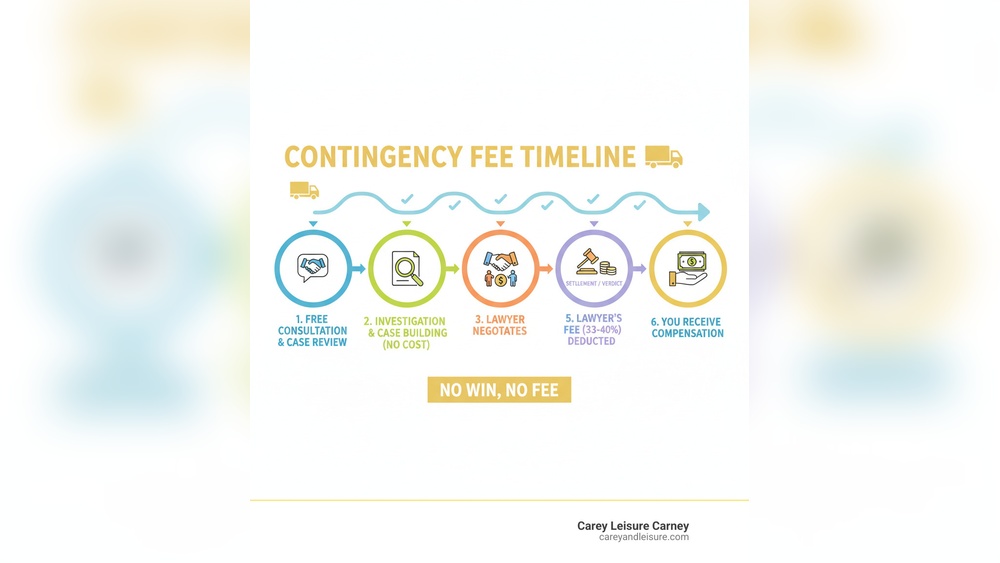
No fee unless you win means you pay only if the lawyer gets money for you. This helps reduce your financial risk. Always confirm this policy before signing any papers.
Preparing for consultations makes meetings with lawyers more useful. Bring all important documents like medical records, accident reports, and any communication about your case. Write down questions and facts about your injury. This helps the lawyer give better advice.
Negotiating Settlements
Dealing with insurance companies can be challenging. They often try to minimize payouts. Stay calm and keep records of all communications. Always read offers carefully. Some offers may seem fair but do not cover all expenses.
Knowing when to accept an offer is important. Accept only if it fully covers medical bills, lost wages, and pain. If the offer is too low, be ready to negotiate or prepare for trial.
Preparing for trial means gathering evidence, witness statements, and medical reports. A good lawyer can help you build a strong case. Trials can be long, but sometimes they lead to better settlements.

Resources For Claimants
Many claimants can access free legal help to support their injury cases. Pro bono services in Austin offer expert advice and legal representation at no cost. These services help those who cannot afford a lawyer but need legal guidance.
Support groups and advocacy organizations provide emotional support and practical advice. They connect claimants with others who faced similar challenges. These groups can also guide claimants through the claim process and explain their rights clearly.
| Resource Type | What They Offer | Location |
|---|---|---|
| Pro Bono Legal Services | Free legal advice and representation | Austin, TX |
| Support Groups | Emotional support and claim guidance | Local community centers |
| Advocacy Organizations | Rights education and claim assistance | Austin, TX and online |
Frequently Asked Questions
How Much Will I Get From A $50,000 Settlement?
From a $50,000 settlement, expect deductions for attorney fees, medical bills, and taxes. Your final amount varies by case.
What Are The 4 Proofs Of Negligence?
The four proofs of negligence are duty, breach, causation, and damages. Duty means a legal obligation existed. Breach occurs when duty is violated. Causation links the breach to the injury. Damages refer to the actual harm or loss suffered.
What Should I Avoid Saying In An Injury Claim?
Avoid admitting fault, exaggerating injuries, discussing unrelated issues, or making inconsistent statements in your injury claim. Stay factual and concise.
Is It Worth Suing For Pain And Suffering?
Suing for pain and suffering can be worth it if injuries cause significant physical or emotional distress. Consult a lawyer to evaluate your case.
Conclusion
Getting help with injury rights claims ensures your voice is heard. Knowing your rights can lead to fair compensation. Don’t hesitate to seek support early in the process. Clear guidance helps you avoid common mistakes in claims. Protect your future by acting with knowledge and confidence.
Legal help can make a real difference in your recovery. Take control of your injury claim and move forward today.
Read More
- Civil Claims Attorney Consultation: Expert Advice for Your Case
- Injury Claim Negotiation Tips: Proven Strategies to Maximize Compensation
- Accident Justice Legal Support: Expert Help for Your Claim Success
- Victim Compensation Legal Guide: Essential Steps to Maximize Benefits
- Accident Compensation Calculator: Maximize Your Injury Claim Today
- Accident Claim Documentation Guide: Essential Steps for Success
- Insurance Injustice Legal Action: Fight Back and Win Compensation
- Insurance Settlement Demand Package: Maximize Your Claim Success
- Loss of Earnings Compensation: Maximize Your Financial Recovery Today
- Claim Denial Lawsuit Options: Top Strategies to Win Your Case