Are you worried about the cost of hiring a lawyer for your case? You don’t have to be.
A contingency lawyer offers a unique way to get legal help without paying upfront fees. But how does a contingency fee really work, and what should you watch out for when choosing the right attorney? You’ll discover everything you need to know about contingency lawyer case reviews, so you can make a smart decision that protects your rights and your wallet.
Keep reading to learn how to find the best lawyer for your case and feel confident moving forward.
How Contingency Fees Work
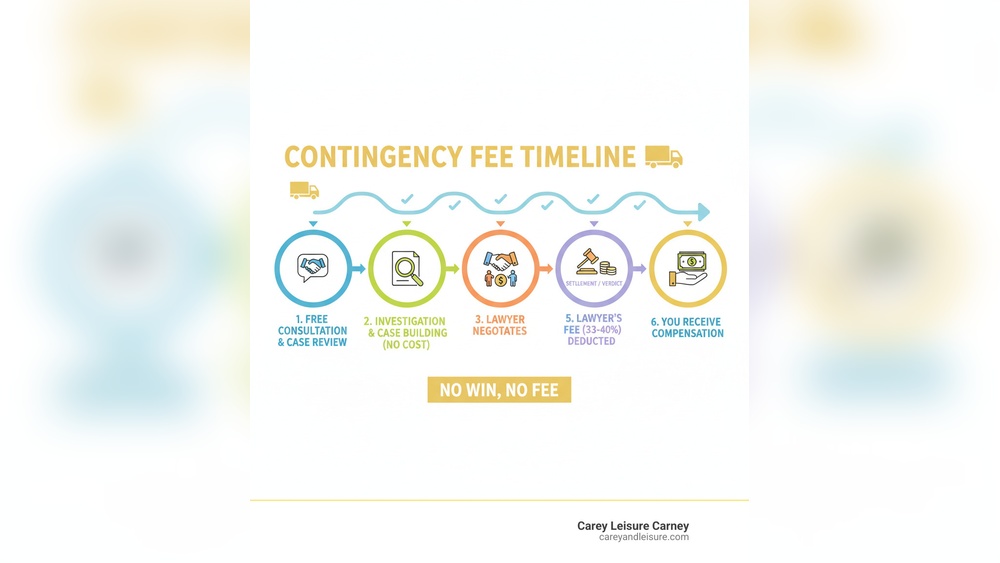
Contingency agreements mean the lawyer gets paid only if you win the case. Usually, the lawyer charges a percentage of the money recovered. This percentage is often between 25% and 40%. It depends on the case and the lawyer’s policy.
There are no upfront costs. You don’t pay anything before the lawyer works on your case. This makes legal help easier to access for many people. The lawyer takes the risk by working first and getting paid later.
If the case is lost, you usually don’t owe any lawyer fees. But sometimes, you might need to pay court or other expenses. Always read the agreement carefully before signing it.
Benefits Of Hiring A Contingency Lawyer
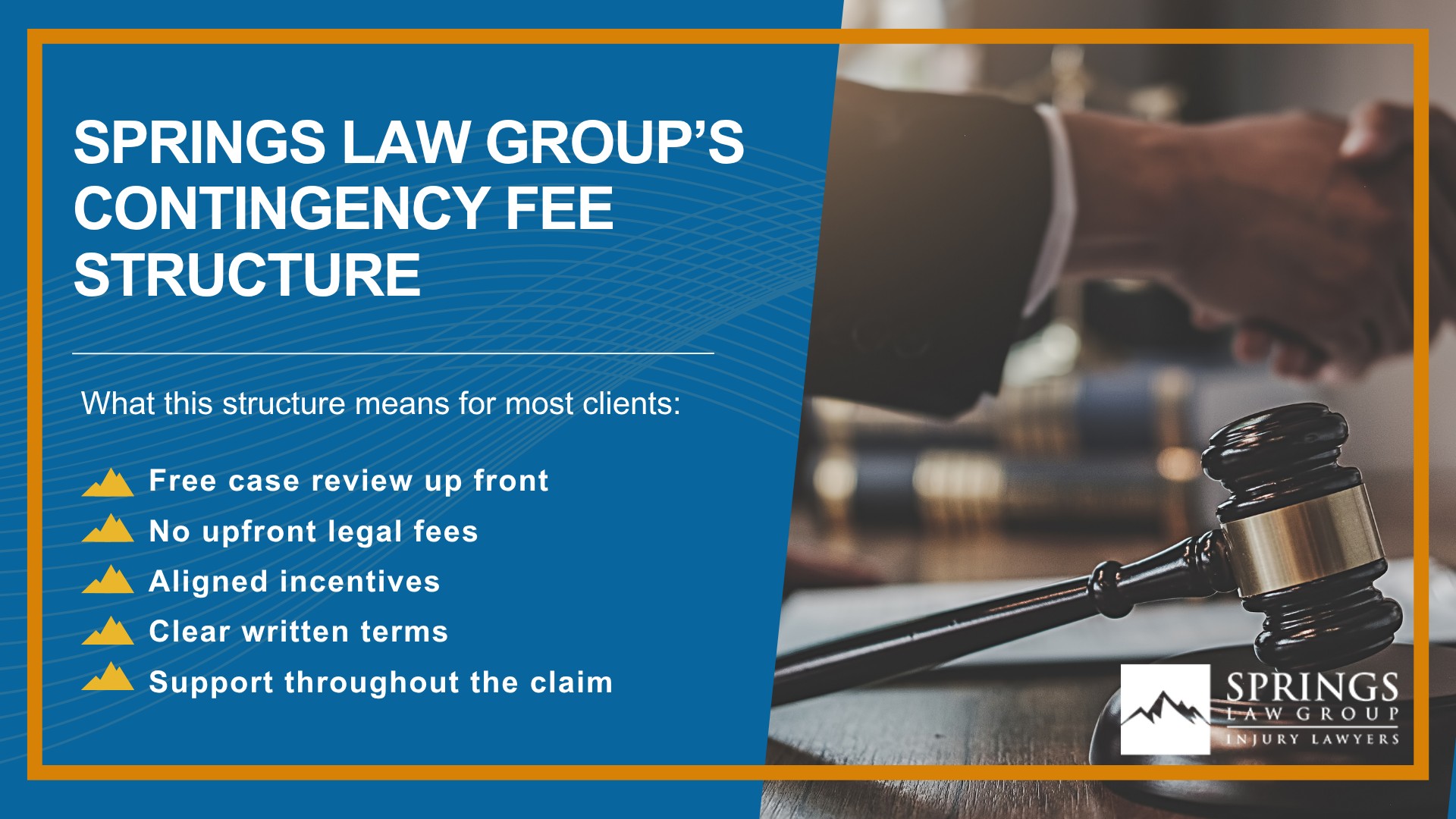
Contingency lawyers only get paid if you win your case. This means their success depends on your success. Both lawyer and client work towards the same goal.
This type of lawyer helps people who may not afford to pay upfront fees. It gives many people a chance to get legal help. You can hire a lawyer without paying any money first.
There is no financial risk for the client. If the case is lost, you do not owe the lawyer any fees. This makes legal services more accessible and less stressful.
Cases Eligible For Contingency Fees
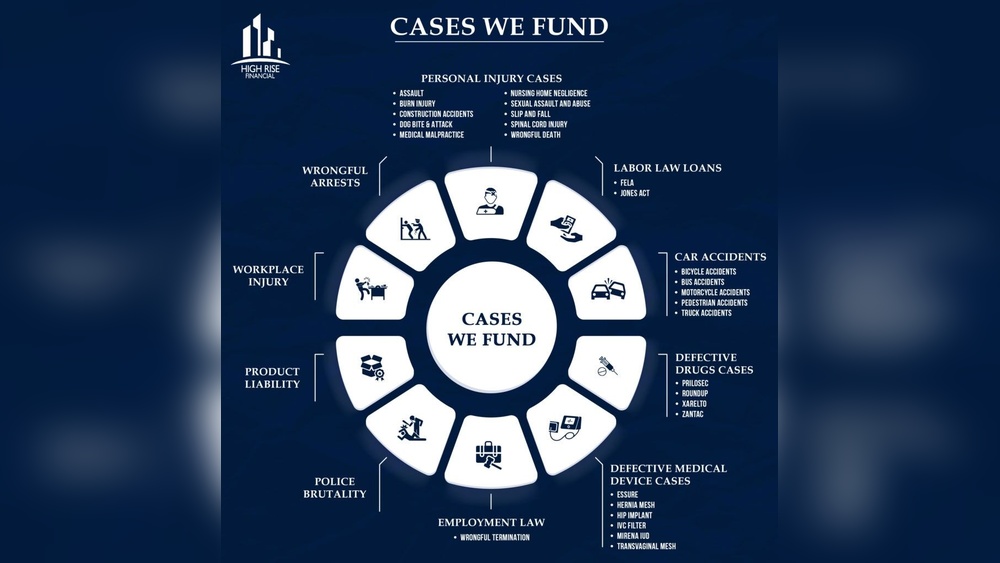
Common personal injury cases that often qualify for contingency fees include car accidents, slip and fall injuries, medical malpractice, and workplace accidents. These cases typically involve clear evidence and potential for monetary recovery. Contingency fees allow clients to seek justice without upfront payment, as the lawyer only gets paid if the case wins.
Types of cases not covered under contingency fee arrangements usually involve criminal defense, divorce, and bankruptcy cases. These matters often require different billing methods due to their nature or legal rules. Also, some complex or low-value claims may not be eligible for contingency fees because the lawyer’s risk is too high.
Evaluating case viability includes reviewing the facts, evidence, and potential damages. Lawyers look for strong proof of fault and clear injury. Cases with weak evidence or uncertain compensation are less likely to be accepted on contingency. Early consultation helps clients understand if their case qualifies for this payment method.
Choosing The Right Contingency Lawyer
Key qualities in a contingency lawyer include experience, honesty, and good communication. Choose a lawyer who listens well and explains things clearly. Trust and transparency matter most.
Ask about their success rate and how many similar cases they handled. Clarify their fee structure and what costs you might pay. Also, ask who will handle your case directly.
Check online reviews and ratings from past clients. Look for patterns in feedback about reliability and client care. Research their professional background and any disciplinary records.
Signs Of A Good Settlement Offer
Fair compensation means the offer covers all your damages. This includes medical bills, lost wages, and pain suffered. The amount should be close to what you expect from the injury’s impact. A good offer helps you avoid long court cases and extra stress.
Accepting or negotiating depends on the offer’s value and your needs. If the offer is close to your case value, accepting saves time. If too low, ask your lawyer about negotiating for better terms. Sometimes, a little more patience gets a higher settlement.
Your lawyer’s advice is key. They know the law and what similar cases get. Listen carefully to their opinion on the offer. They help you see if it is fair or if you should push for more. Trust their experience to guide your decision.

Common Contingency Fee Misconceptions
Contingency fees mean you pay your lawyer only if you win. There are no hidden costs in most cases. The lawyer’s fee comes as a percentage of the money you get from the case. Some people think they must pay extra fees, but usually, all costs are clear upfront.
Fee structures can vary, but most contingency agreements list the percentage and any additional costs. You should always ask for a written agreement that explains these details. This keeps things simple and fair.
If the case does not win, you usually do not owe the lawyer any fees. You might still pay for small expenses like court fees or expert reports, but the lawyer’s payment depends on winning. This makes contingency fees easier for people who cannot pay upfront.
Maximizing Your Legal Win
Preparing your case means gathering all important documents early. Keep records of medical bills, accident reports, and communications. Clear facts help your lawyer build a strong argument. Be honest about every detail. This saves time and avoids surprises.
Working effectively with your lawyer requires good communication. Answer calls and emails quickly. Ask questions if something is unclear. Trust your lawyer’s advice but feel free to share your thoughts. Teamwork brings better results.
Understanding the timeline helps you stay calm. Legal cases often take months to resolve. Certain steps must happen in order, like filing papers or attending hearings. Patience and persistence make a difference.

Contingency Fee Agreements In Texas
Contingency fee agreements in Texas have clear rules. These agreements allow clients to pay lawyers only if they win the case. The lawyer’s fee is a percentage of the money recovered.
Texas law protects clients by requiring written contracts that explain fees and costs. Clients must fully understand what they agree to before signing.
If disputes arise, clients can file complaints with the Texas State Bar. The Bar reviews complaints about unethical behavior or fee disagreements. This process helps protect clients’ rights.
| Topic | Details |
|---|---|
| State-Specific Rules | Written contracts; clear fee explanation; percentage-based payment. |
| Legal Protections for Clients | Right to understand fees; protection from unfair charges. |
| Filing Complaints or Disputes | Complaints go to Texas State Bar for review and action. |
Frequently Asked Questions
How Much Will I Get From A $25,000 Settlement?
From a $25,000 settlement, expect to receive around 60-70% after attorney fees and expenses. Fees usually range from 30-40%.
What Two Types Of Cases Cannot Be Taken On A Contingency Basis?
Criminal cases and most family law cases cannot be taken on a contingency basis. Lawyers require upfront or hourly payment for these.
What Is The 80/20 Rule For Lawyers?
The 80/20 rule for lawyers means 20% of clients or cases generate 80% of their income or results. It helps prioritize efforts.
What Are Signs Of A Good Settlement Offer?
A good settlement offer covers your damages fairly, resolves the case promptly, avoids costly trials, and aligns with your legal advice.
Conclusion
Choosing a contingency lawyer can ease financial worries during legal battles. You pay only if the case wins. This approach motivates lawyers to work hard for you. Always review the fee agreement carefully before signing. Clear communication helps avoid surprises later on.
Understanding how contingency fees work builds trust and confidence. This way, you focus on your case, not legal costs. Consider your options and find the right lawyer for your needs. Legal help should feel fair and accessible to everyone.
Read More
- Civil Claims Attorney Consultation: Expert Advice for Your Case
- Injury Claim Negotiation Tips: Proven Strategies to Maximize Compensation
- Accident Justice Legal Support: Expert Help for Your Claim Success
- Victim Compensation Legal Guide: Essential Steps to Maximize Benefits
- Accident Compensation Calculator: Maximize Your Injury Claim Today
- Accident Claim Documentation Guide: Essential Steps for Success
- Insurance Injustice Legal Action: Fight Back and Win Compensation
- Insurance Settlement Demand Package: Maximize Your Claim Success
- Loss of Earnings Compensation: Maximize Your Financial Recovery Today
- Claim Denial Lawsuit Options: Top Strategies to Win Your Case