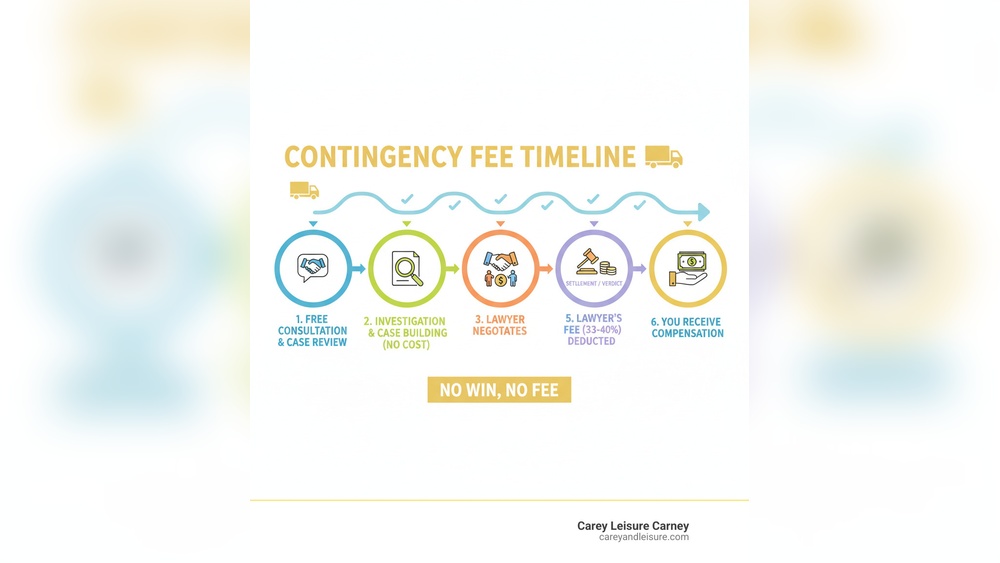
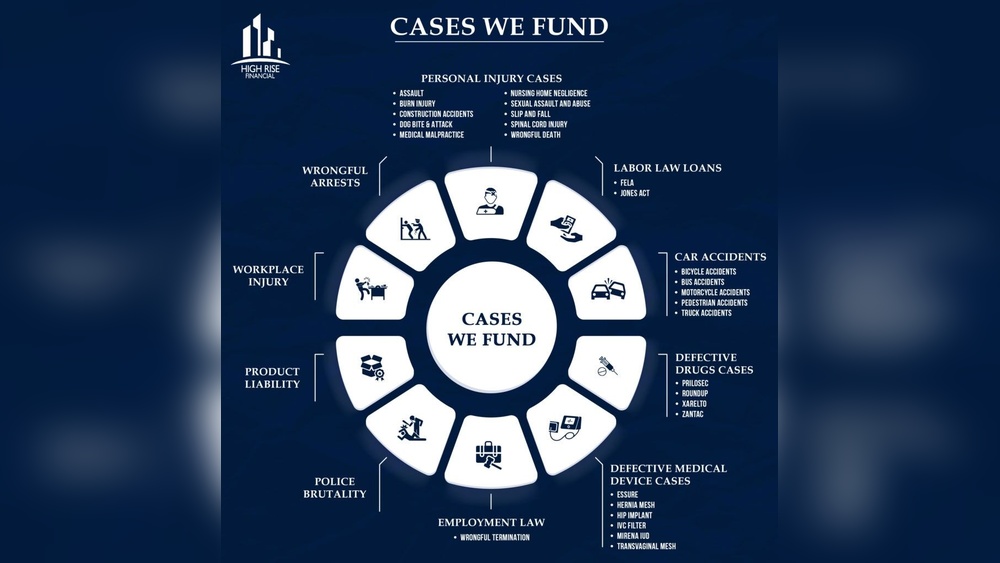
If you’re facing an injury case, you probably know how stressful the waiting period can be. Medical bills pile up, everyday expenses don’t stop, and lost wages make things even harder.
What if there was a way to ease that financial pressure while your case is still pending? Legal funding for injury cases might be the solution you need. It gives you access to money upfront, so you can focus on your recovery and legal battle without worrying about how to pay the bills.
Keep reading to discover how legal funding works, who can benefit, and how it could change your situation for the better.
What Is Legal Funding
Legal funding helps people pay bills during injury lawsuits. It is money given before a case ends. This money is not a loan but an advance on the lawsuit settlement. If the case is lost, the person usually does not pay back the funding. The process begins with an application. The funder reviews the case details and risks. If approved, the money is sent quickly. This helps with medical bills, living expenses, or other costs.
| Type of Legal Funding | Description |
|---|---|
| Pre-Settlement Funding | Advance money before case settlement. Paid back only if case wins. |
| Post-Settlement Funding | Funds given after winning but before full payment. |
| Attorney Funding | Funds paid directly to lawyers to cover case costs. |
Benefits Of Legal Funding
Legal funding helps pay for medical bills and daily costs. This support keeps injured people from facing money troubles while waiting for their case to finish. It covers hospital bills, prescriptions, rent, food, and utilities.
Having financial help cuts down stress. People can focus on healing and their legal case. Worrying less about money means better health and clearer thinking.
With fewer money worries, people can hire good lawyers and gather strong evidence. This often leads to better outcomes in court. Legal funding gives a fair chance to those who need it most.
Qualifying For Legal Funding
Eligibility criteria for legal funding usually include having an active personal injury case. The case must have a strong chance of winning. The injury should be related to accidents, medical malpractice, or workplace injuries. Applicants must show proof of identity and residency. Medical records and accident reports are often required. Legal documents like the complaint or demand letter help verify the claim. Proof of income and expenses may also be needed to assess financial need.
Common case types that qualify are car accidents, slip and fall injuries, and medical negligence. Cases involving wrongful death or product liability may also qualify. Legal funding helps cover bills and living costs during the lawsuit. It is not a loan but an advance on the settlement. Approval depends on case strength, not credit score.
Applying For Funding In Austin, Texas
Finding local legal funders in Austin, Texas, is the first step. Many companies offer pre-settlement funding to help with expenses. These funders review your case and decide if you qualify based on its strength. Common options include Austin Lawsuit Loans, Preferred Capital Funding, and Rockpoint Legal Funding. Each has slightly different terms, so compare before applying.
The application process usually requires basic information about your injury case. You must provide details about your injury, medical bills, and lawyer contact. Funders assess your case’s value and risks. Approval depends on your case’s merit, not credit score. This process is often simple and fast.
Typical funding timelines range from a few days to two weeks. After approval, funds are sent quickly, often within 24-48 hours. Quick access to money helps cover medical bills, lost wages, and daily expenses. Repayment happens only if you win your case, reducing your financial risk.
Costs And Repayment
Interest rates for legal funding vary widely, often ranging from 1% to 10% per month. These fees cover the lender’s risk and administrative costs. Some companies charge flat fees, while others use compound interest. Repayment only happens if you win your case. This is called a no-risk funding option. If you lose, you owe nothing back. Terms usually last from a few months to over a year. Borrowers should carefully read the contract to understand all costs. Transparent lenders provide clear details on fees and repayment. No upfront payments are required, easing financial pressure during your case. This funding helps cover medical bills, living costs, and legal fees while waiting for settlement. Always compare offers to find the best rates and terms for your situation.

Impact On Your Settlement
Legal funding can change how negotiations go. It gives you money before your case ends. This helps pay bills and other costs while waiting.
Having funds can make you less stressed. You may feel stronger to ask for a fair amount. Lawyers might also work better knowing you have support.
| Maximizing Settlement Value | Avoiding Common Pitfalls |
|---|---|
|
|
Alternatives To Legal Funding
Personal loans and credit cards can provide quick cash for injury cases. They usually have fixed interest rates. But high rates may add up fast. Use them carefully.
Borrowing from family or friends is another option. This can avoid high interest fees. It may cause stress if repayment is delayed. Clear terms help keep trust.
Crowdfunding allows people to raise money online. Platforms like GoFundMe help share your story. Friends and strangers may donate small amounts. It takes time and effort to promote.
| Option | Pros | Cons |
|---|---|---|
| Personal Loans & Credit Cards | Fast access to cash, fixed interest | High interest, risk of debt |
| Borrowing from Family or Friends | No interest, flexible terms | Can strain relationships |
| Crowdfunding | Free money, wide reach | Time-consuming, uncertain results |

Choosing The Right Legal Funder
Comparing lenders involves checking their fees, terms, and reputation. Look for clear fee structures and no hidden costs. Choose lenders with good customer reviews and fast approval times. Some offer non-recourse funding, meaning you pay only if you win your case.
Questions to ask include: What are the total costs? How long does funding take? Are there penalties for early repayment? What happens if the case is lost? Clear answers help avoid surprises.
Red flags to avoid include lenders who pressure for quick decisions or refuse to provide written terms. Watch out for very high fees or unclear repayment terms. Avoid those who do not explain the risks clearly.
Frequently Asked Questions
What Is Legal Funding For Injury Cases?
Legal funding provides plaintiffs with cash advances during injury lawsuits. It helps cover expenses while waiting for settlement or trial outcomes.
How Does Pre-settlement Funding Work?
Pre-settlement funding offers money upfront against future lawsuit settlements. Repayment occurs only if the case is won or settled successfully.
Who Qualifies For Lawsuit Loans In Injury Cases?
Plaintiffs with valid personal injury claims can qualify. Funding depends on case merits, expected settlement, and legal representation.
What Expenses Can Legal Funding Cover?
Legal funding can cover medical bills, living expenses, lost wages, and legal fees during the lawsuit process.
Conclusion
Legal funding offers crucial support during injury cases. It helps cover bills and daily costs while waiting for settlements. This option can reduce financial stress and keep you focused on recovery. Always review terms carefully before accepting any funding. Choosing the right legal funding can make a big difference in your case journey.
Consider your needs, and seek trustworthy providers. Legal funding is a helpful tool for many injury claimants in Austin and beyond.
Read More
- Civil Claims Attorney Consultation: Expert Advice for Your Case
- Injury Claim Negotiation Tips: Proven Strategies to Maximize Compensation
- Accident Justice Legal Support: Expert Help for Your Claim Success
- Victim Compensation Legal Guide: Essential Steps to Maximize Benefits
- Accident Compensation Calculator: Maximize Your Injury Claim Today
- Accident Claim Documentation Guide: Essential Steps for Success
- Insurance Injustice Legal Action: Fight Back and Win Compensation
- Insurance Settlement Demand Package: Maximize Your Claim Success
- Loss of Earnings Compensation: Maximize Your Financial Recovery Today
- Claim Denial Lawsuit Options: Top Strategies to Win Your Case